
How Often to Replace Your Tires
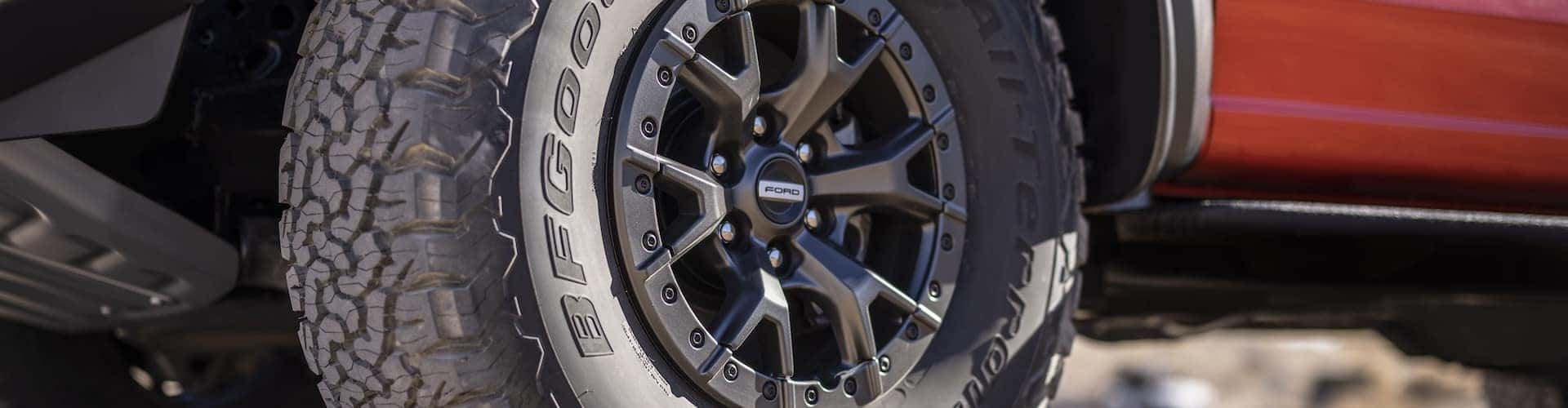
Tires play a crucial role in keeping your vehicle safe and performing at its best. They are the only point of contact between your car and the road, meaning their condition directly impacts everything from handling and braking to fuel efficiency. For Ford owners, whether you’re commuting on the LIE, navigating the streets of Manhasset, or heading out for a family trip to Bayville, having reliable tires is essential. Durable tires ensure your Ford can handle any journey, from daily drives to weekend adventures.
The Lifespan of Tires – How Often Should You Replace Them?
On average, tires last between 3 to 6 years or around 25,000 to 50,000 miles, depending on your driving habits and road conditions. However, this can vary significantly based on factors such as how and where you drive. For Ford owners across the North Shore, it’s important to consider the unique challenges posed by local roads and weather when determining how long your tires will last.
Factors That Influence Tire Lifespan
- Driving Habits: If you frequently haul heavy loads with your work truck or spend long hours on the road, your tires will wear out faster. Ford vehicles, especially trucks like the Ford F-150, are built to handle tough jobs, but regularly carrying heavy loads puts extra strain on your tires. This increased wear can shorten the lifespan of even the most durable tires.
- Road Conditions in the North Shore: The roads in areas like Roslyn, Glen Cove, and Manhasset can be rough, especially after harsh winters, leading to potholes that can accelerate tire wear. Constantly driving through construction zones or taking detours along the rugged areas of Old Westbury or Oyster Bay can also wear down tires faster. To help prevent issues, consider scheduling regular tire inspections at Biener Ford’s service center to catch potential damage early.
- Climate Considerations: The seasonal changes experienced across the North Shore also impact tire life. During hot summers, the heat can cause tire pressure to increase, which leads to excessive wear, while the cold winters, common in areas like Port Washington and Locust Valley, may require winter tires for better traction on icy roads. Switching between summer and winter tires as the seasons change can help extend the lifespan of both sets. Ford recommends checking tire pressure regularly, particularly when temperatures fluctuate, as this can greatly affect both safety and tire wear.
By keeping these factors in mind, you can ensure your tires last longer while also improving vehicle performance and safety. Regular tire checks, adjusting your driving habits to match the needs of your Ford, and considering the road conditions in areas like Sea Cliff and Great Neck will help you get the most out of your tires. When in doubt, visiting the tire experts at Biener Ford can help you determine if it’s time for a new set.
Key Signs You Need New Tires
Regularly inspecting your tires for wear and tear is essential for maintaining the safety and performance of your vehicle. Over time, tires naturally degrade, and knowing when to replace them can prevent accidents and costly repairs. Here are some key signs that it’s time for new tires:
- Tread Depth: Tread depth is one of the most important indicators of tire health. The deeper the tread, the better your tires can grip the road, especially in wet or slippery conditions. A simple way to check your tread is by using the “penny test.” Place a penny, with Lincoln’s head facing down, into the tire’s tread. If you can see all of Lincoln’s head, it’s time for new tires. Alternatively, many tires have built-in tread wear indicators—small bars that become visible when the tread is too low, signaling the need for a replacement.
- Cracks or Bulges in the Sidewalls: Inspecting the sidewalls of your tires is just as important as checking the tread. Look for visible cracks, cuts, or bulges, as these are signs of tire damage that could lead to a blowout. Cracks can develop due to aging or harsh weather, while bulges indicate that the tire’s internal structure may be compromised, potentially putting you at risk on the road. If you notice any of these issues, it’s best to schedule an appointment at Biener Ford’s service center in Great Neck for a thorough inspection.
- Vibration or Unusual Noises While Driving: If you feel an unusual vibration while driving or hear strange noises coming from your tires, it could indicate an alignment issue, unbalanced tires, or even internal tire damage. Excessive vibration may also be caused by uneven tire wear, which can occur when tires aren’t rotated regularly or if they’re improperly aligned. Having your alignment checked and tires rotated at Biener Ford in Port Washington can help prevent these issues and extend the life of your tires.
- Regularly Checking Tire Pressure and Alignment: Proper tire pressure and alignment are key to ensuring that your tires wear evenly. It’s important to check your tire pressure regularly, especially as seasonal changes can cause uneven wear, reduce fuel efficiency, and increase the risk of a blowout. Ford owners in areas like Roslyn and Oyster Bay should check tire pressure monthly, especially with seasonal shifts. Don’t forget to have your alignment checked if you notice your vehicle pulling to one side or if you’ve hit a pothole while driving through construction zones in Glen Cove.
When Do Tires Need to Be Replaced?
Regular tire inspections can help you determine if it’s time for new tires. There are general guidelines based on mileage and age that every Ford owner should know. Whether you’re driving a Ford F-150 or a family SUV, understanding these timelines will help you stay safe on the road and avoid costly repairs down the line.
- Mileage Guidelines: Tires should typically be replaced every 25,000 to 50,000 miles, depending on your driving habits and the type of vehicle you own. For example, if you drive a heavy-duty truck that endures tough conditions—like carrying heavy loads or frequent off-road driving—you may need to replace your tires sooner. The extra strain on your tires can lead to faster wear, so it’s essential to monitor your tire condition more closely if you’re using your vehicle for heavy-duty work. Ford trucks, known for their toughness, still rely on well-maintained tires to handle demanding tasks. For Ford drivers who primarily stick to highway or city driving, your tires might last toward the higher end of the mileage range. However, it’s still important to check them regularly and replace them when needed. If you’re unsure about your tire condition or need advice on how often to replace them based on your driving, visit Biener Ford’s service center in Great Neck for expert assistance.
- Tire Age: Even if your tires still have good tread, they should typically be replaced after 6 years, regardless of mileage. Over time, the rubber in tires can degrade, which can lead to reduced performance and a higher risk of blowouts. Environmental factors like UV exposure and temperature changes also cause rubber to break down, so it’s essential to keep an eye on your tire’s age as well as mileage. If you’re approaching the 6-year mark, it’s a good idea to have your tires inspected by a professional to determine if they need replacement.
- Seasonal Changes: The North Shore experiences a wide range of weather, from hot summers to cold, snowy winters, and all of this can take a toll on your tires. Switching to winter tires in colder months not only improves safety but also helps extend the life of your primary tires. Rotating between summer and winter tires, especially if you’re commuting around areas like Roslyn or Glen Cove, is crucial. You can visit Biener Ford in Port Washington for assistance with tire rotations and all-season tire options to help you prepare for Long Island’s seasonal demands.
Tips for Extending Tire Life
Maintaining your tires is key to ensuring they last as long as possible, and for Ford owners who depend on their vehicles for both work and leisure, these tire care tips can save you money and improve safety. By following some basic tire maintenance practices, you can significantly extend the lifespan of your tires and get the most out of your investment.
- Rotating Tires Regularly
One of the easiest ways to prolong the life of your tires is to rotate them regularly—typically every 5,000 to 8,000 miles. Tire rotation ensures even wear across all four tires, which is especially important for Ford trucks and SUVs that often handle heavier loads on the rear wheels. Uneven tire wear can lead to decreased traction and performance, so rotating your tires as recommended will help keep your vehicle safe and efficient. Biener Ford offers tire rotation services to help maintain even wear and maximize your tires’ lifespan.
- Maintaining Proper Tire Inflation Levels and Alignment
Proper tire inflation is crucial for tire longevity and vehicle safety. Underinflated tires cause uneven wear, reduce fuel efficiency, and increase the risk of a blowout, while overinflated tires can lead to a harsh ride and accelerated tread wear. Ford owners should check their tire pressure monthly, especially before long trips or during extreme temperature changes. You can find the recommended tire pressure for your Ford vehicle in the owner’s manual or inside the driver’s side door.
In addition to proper inflation, wheel alignment is essential to ensure that your tires wear evenly. Misalignment often occurs after hitting potholes or curbs, which are common on North Shore roads. If your vehicle pulls to one side or you notice uneven wear, it’s time for an alignment check at Biener Ford’s service center in Great Neck.
- Balancing Tires
Proper tire balancing is another important factor in preventing uneven wear and extending tire life. Balancing helps reduce vibrations while driving and put extra stress on certain parts of the tire, which can occur when tires aren’t balanced properly. Ensuring they’re rotated and balanced will keep your ride smooth whether you’re commuting through Roslyn or taking the scenic routes around Oyster Bay.
- Investing in High-Quality, Ford-Approved Tires
While there are many tire options available, investing in high-quality, Ford-approved tires can make a big difference in durability and performance. These tires are specifically designed to meet the rigorous demands of Ford trucks and SUVs, ensuring they perform well under a variety of conditions. Whether you need tires that offer better fuel efficiency for daily commuting or rugged tires for off-road adventures, choosing Ford-approved brands like Michelin or Goodyear will ensure you get the most value and durability.
- Off-Road Capable Tires for Rugged Performance
For those who enjoy outdoor activities on the weekends or need off-road capability for work, investing in off-road tires can greatly extend the life of your everyday tires. Off-road tires are built to handle tougher terrain, including dirt, gravel, and mud, making them ideal for Ford truck and SUV owners who spend a lot of time off the beaten path. These tires offer extra durability and prevent unnecessary wear on your standard tires when navigating rugged conditions. Biener Ford offers a selection of off-road and all-terrain tires to suit your needs.
By incorporating these tire care tips into your regular vehicle maintenance routine, you can maximize the lifespan of your tires, enhance performance, and keep your Ford vehicle running smoothly for years to come.
Frequently Asked Questions About Tire Replacement
When it comes to tire maintenance and replacement, Ford owners often have similar questions. Below are answers to some of the most frequently asked questions about tire care to help you stay informed and safe on the road.
How often should I replace my tires?
The general rule is to replace your tires every 25,000 to 50,000 miles, depending on your driving habits and the type of tire. However, tires should also be replaced if they are over six years old, even if the tread appears to be in good condition, as the rubber degrades over time. Regular tire inspections at Biener Ford can help determine if it’s time for new tires.
How do I know when I need new tires?
There are several signs that indicate it’s time for new tires. The most obvious is tread wear—if the tread depth is below 2/32 of an inch, it’s time for a replacement. You can check this with the “penny test” or by looking for the tread wear indicators built into the tires. Other signs include cracks or bulges in the sidewalls, excessive vibration while driving, and uneven wear across the tires. If you’re unsure, Biener Ford’s tire experts can inspect your tires for you.
What are the dangers of driving on worn tires?
Driving on worn tires can be extremely dangerous. Tires with low tread have less grip, which increases stopping distance and decreases traction, especially in wet or snowy conditions. Worn tires are also more prone to punctures and blowouts, which can lead to accidents. To stay safe, replace your tires when they show signs of significant wear.
Can I rotate my tires myself, or should I visit a dealership?
While it’s possible to rotate your tires yourself if you have the right tools and experience, it’s generally recommended to have a professional handle it. Proper tire rotation requires lifting the vehicle, removing all four wheels, and reinstalling them in the correct pattern to ensure even wear. Visiting Biener Ford’s service center ensures the job is done safely and correctly, and you can have your tires balanced and aligned at the same time for optimal performance.
Conclusion
Proper tire maintenance is crucial for keeping your vehicle safe, performing efficiently, and avoiding unexpected issues on the road. Regularly checking your tires for signs of wear, maintaining proper tire pressure, and scheduling timely rotations and replacements can help extend their lifespan and ensure you’re always driving safely. Don’t wait until your tires are completely worn out—doing so can put you at risk for accidents and costly repairs.
Ford owners in Great Neck, especially those who rely on their vehicles for heavy-duty tasks or outdoor activities, should prioritize tire care to get the most out of their vehicles. Whether you need a tire inspection, rotation, or replacement, the team at Biener Ford is here to help.
Schedule your tire inspection or replacement service today at Biener Ford’s service center to keep your Ford running smoothly and safely on Long Island’s roads.

0 comment(s) so far on How Often to Replace Your Tires